An essay
The art of knowing what to preserve.
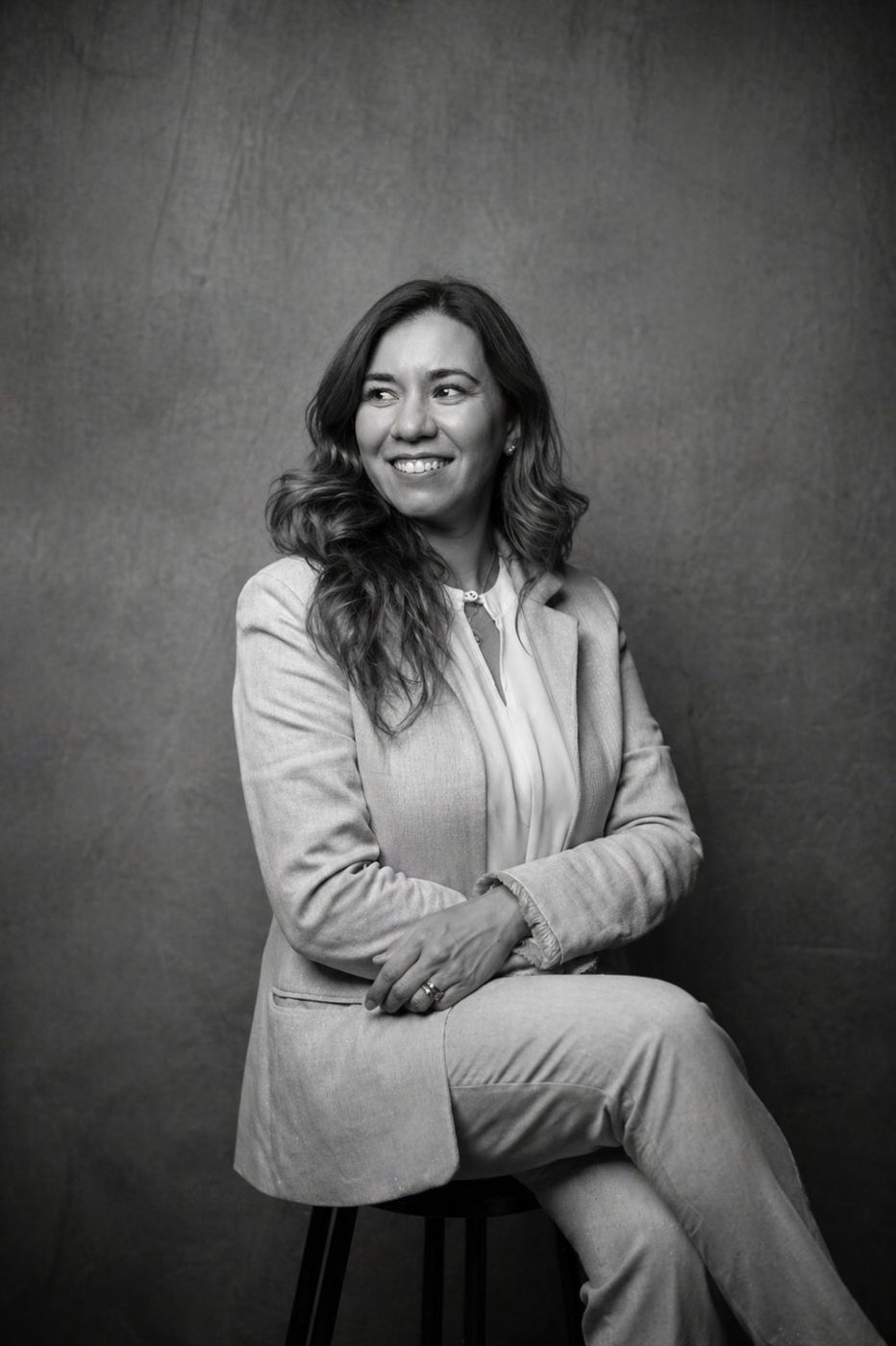
For much of my career, I believed that becoming a better dentist meant continuously expanding what I was capable of doing.
I studied, traveled, invested in education, and learned new techniques. I explored technologies that could help me deliver more precise treatments and exceptional aesthetic results.
Over time, however, I came to understand that one of the most important abilities a clinician can develop is not simply knowing how much can be changed, but having the judgment to recognize what deserves to be preserved.
That realization eventually connected experiences that, from the outside, might seem like very different chapters: implant dentistry, digital dentistry, business leadership, my move to New York, and the development of artificial intelligence tools for other dental professionals.
Today, I see all of them as part of the same pursuit: using knowledge and technology to make better decisions, create a more human experience, and respect what makes every individual unique.
Chapter I · Asunción · Bauru, 2010–2012
Learning before building
My professional journey began in Paraguay, where I studied dentistry and graphic design simultaneously.
Dentistry taught me to understand anatomy, materials, function, and health. Design introduced me to proportions, visual composition, and the importance of details.
Over time, I discovered that these two disciplines shared something fundamental: both required learning how to observe before making changes.
Early in my career, I decided that my education would not end with university.
Between 2010 and 2012, I pursued intensive clinical training in implant dentistry in Bauru, São Paulo, Brazil.
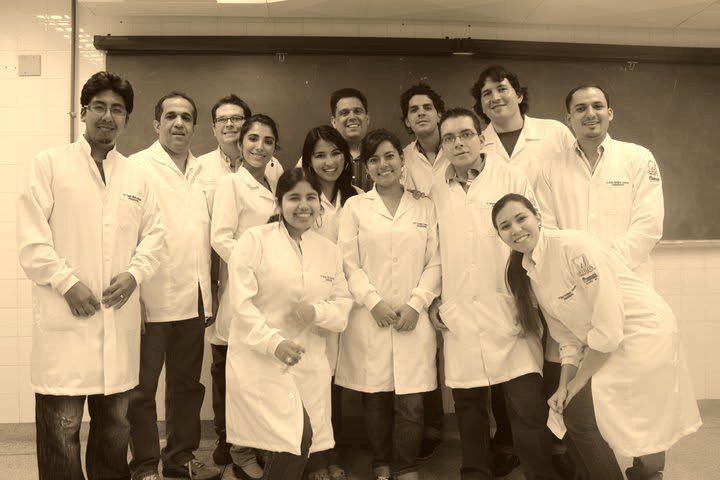
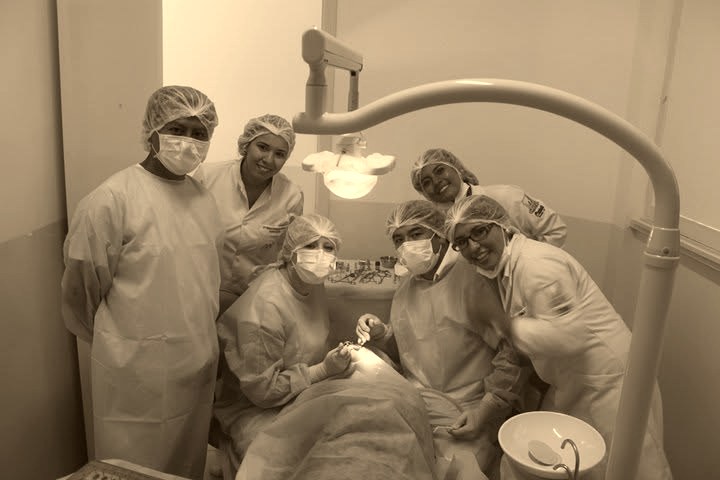
It was one of my first international educational experiences and expanded my understanding of clinical practice.
I later became director of MIS Implants distribution in Paraguay, a position I held for twelve years.
My responsibilities included imports, professional education, and hands-on clinical training for dentists. My work went beyond distributing products. I needed to understand the technologies, explain their clinical applications, and help other professionals integrate them into their practices.
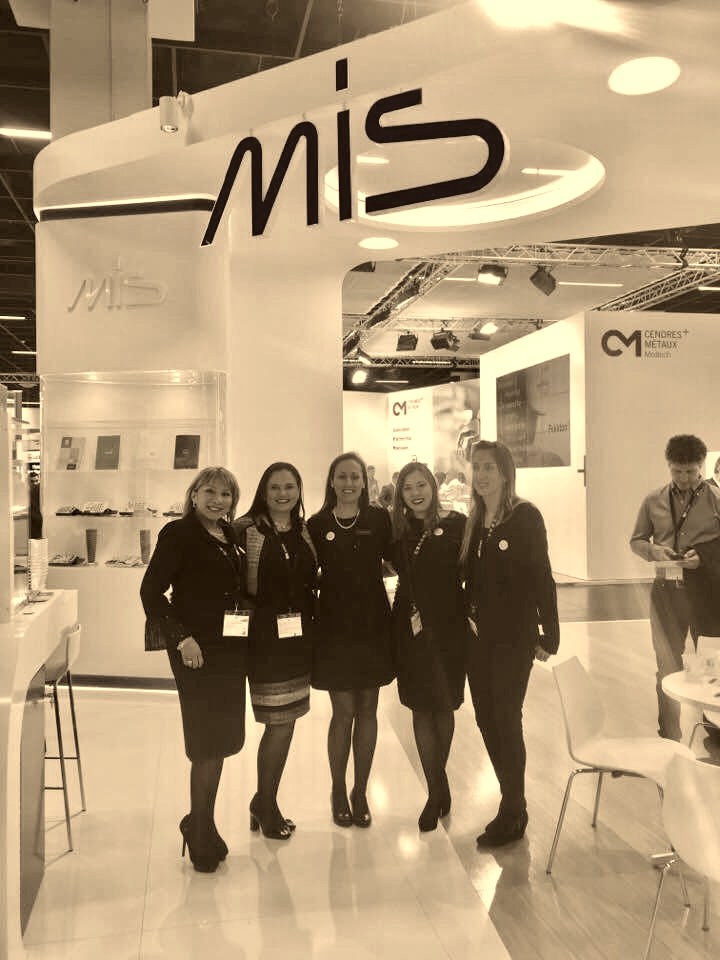
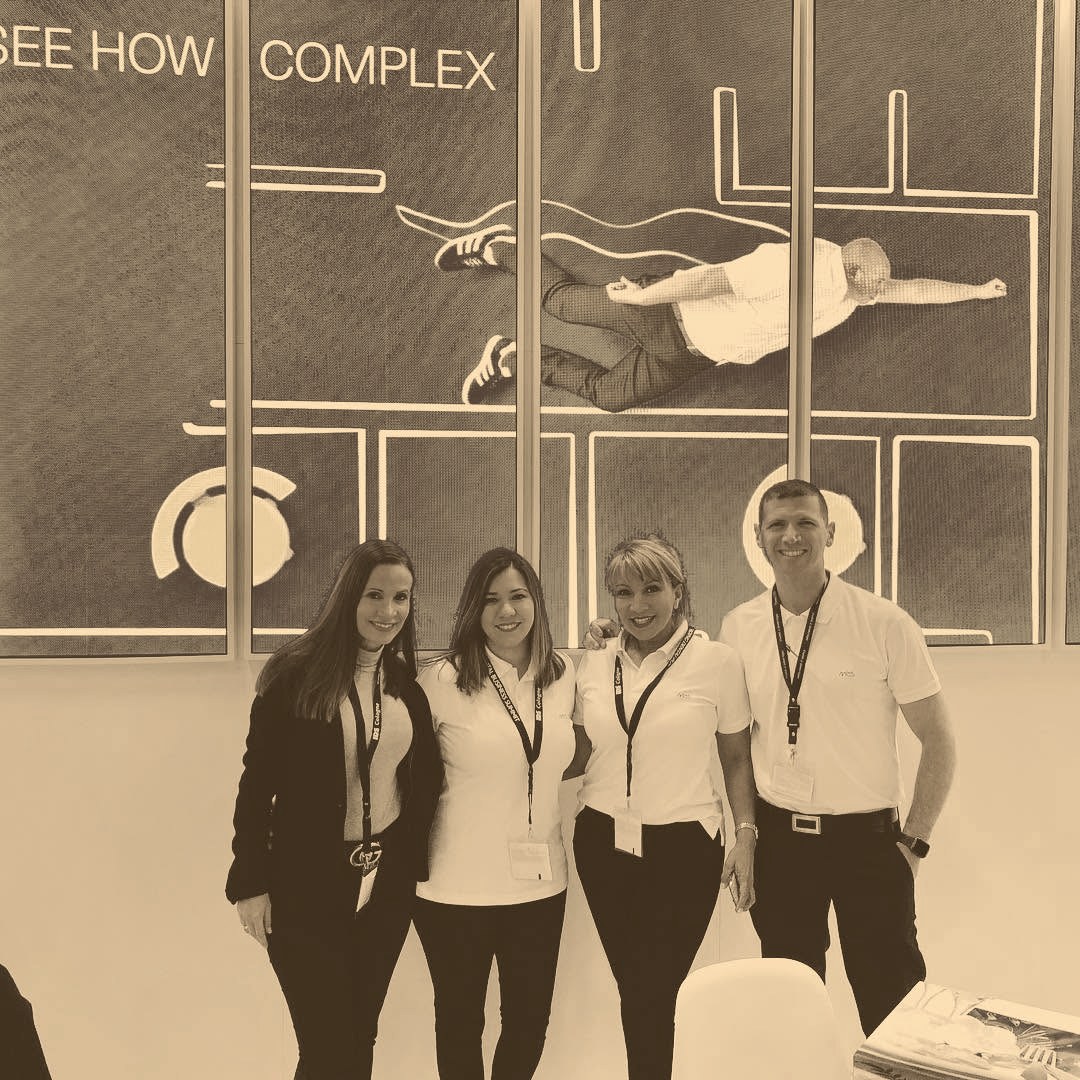
That experience broadened my perspective.
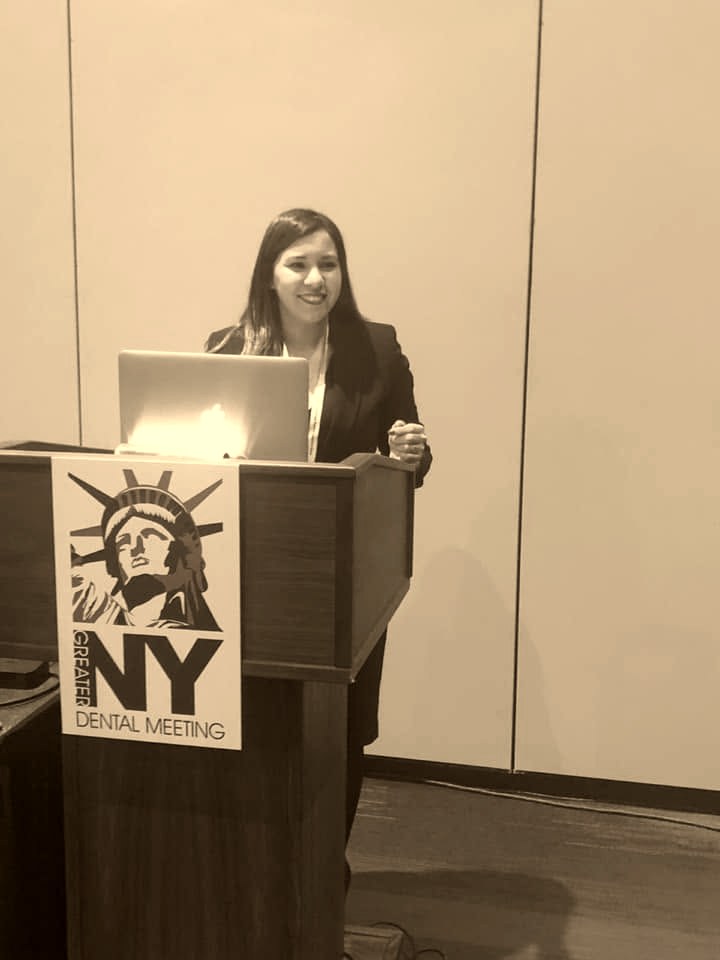
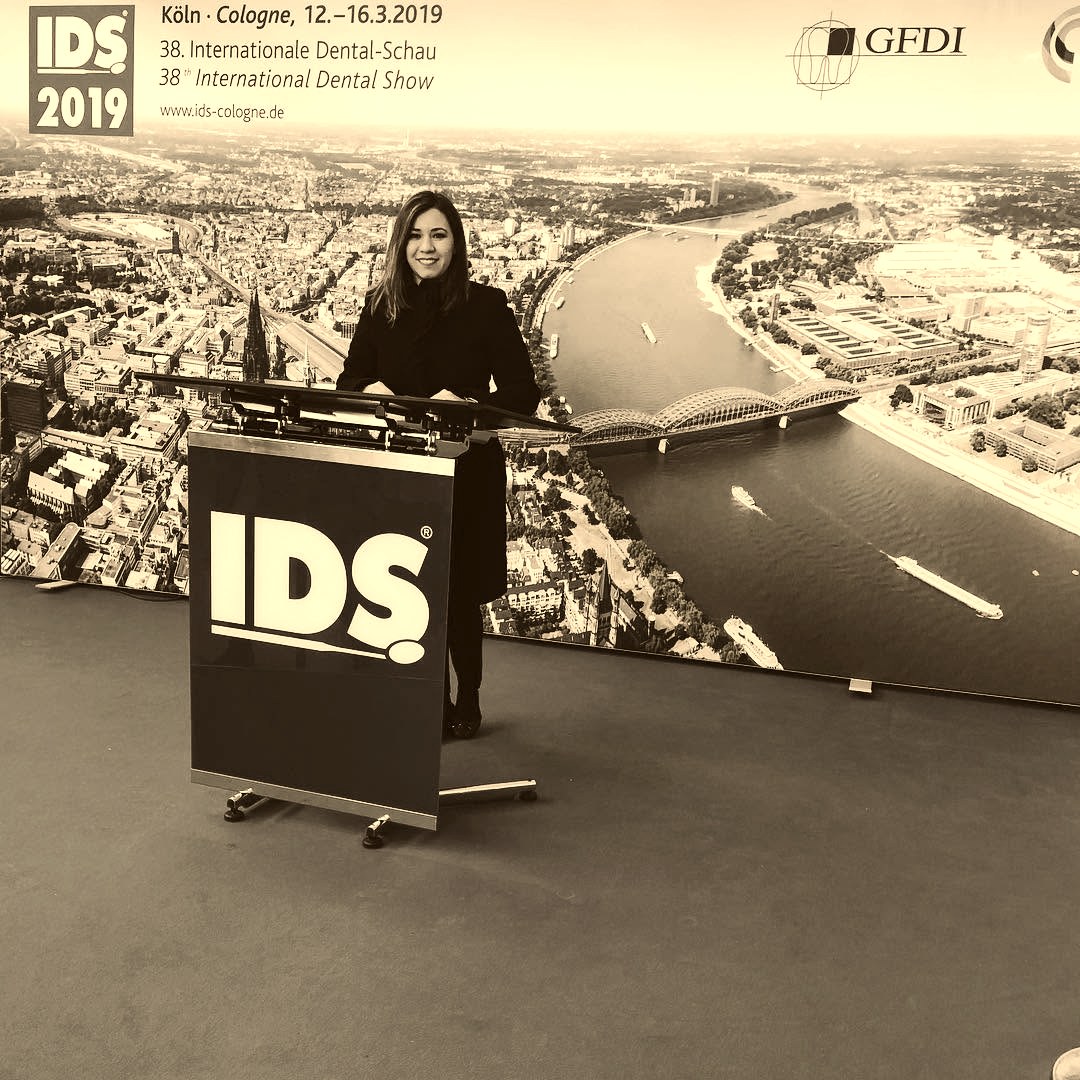
I traveled to countries including the United States, Israel, Colombia, Chile, Peru, Germany, Panama, the Dominican Republic, and Argentina to participate in educational programs and speak at professional events.
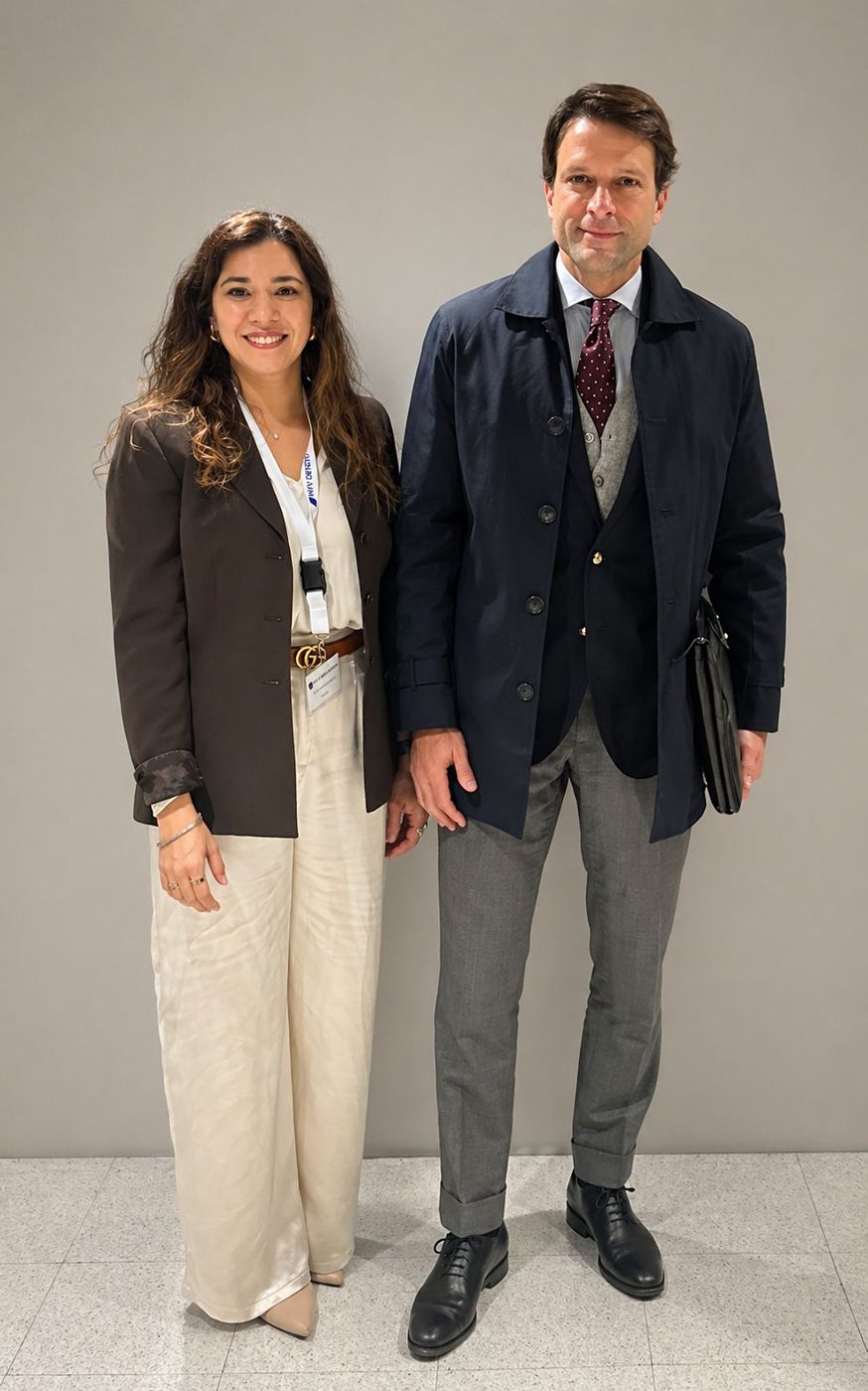 Dr. Moreira with Dr. Christian Coachman · Buenos Aires
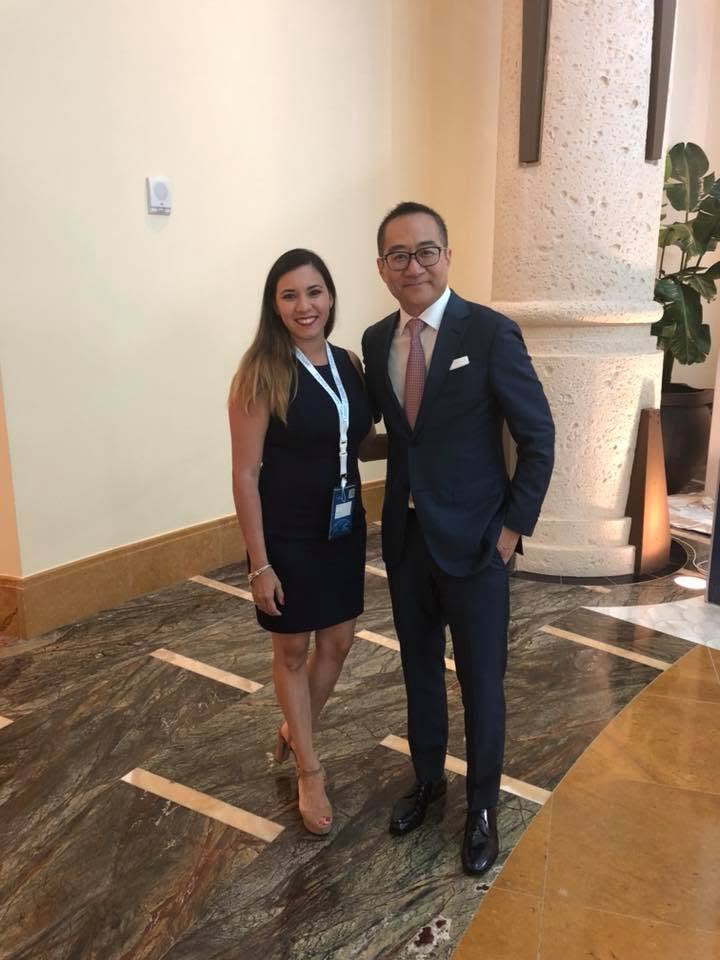 Dr. Moreira with Dr. Joseph Kan
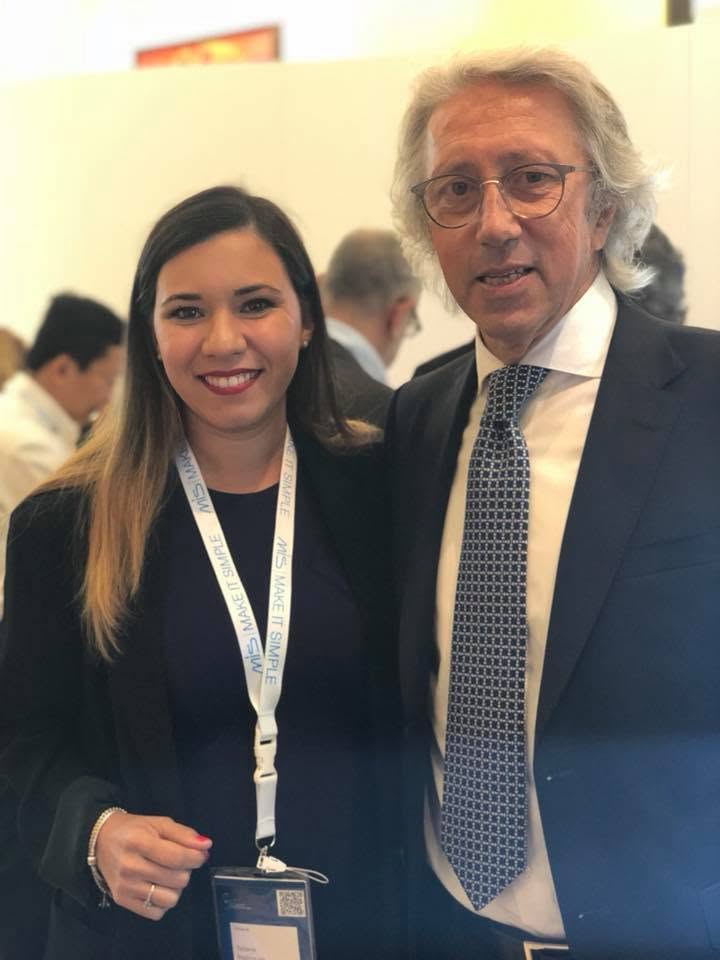 Dr. Moreira with Dr. Mauro Fradeani
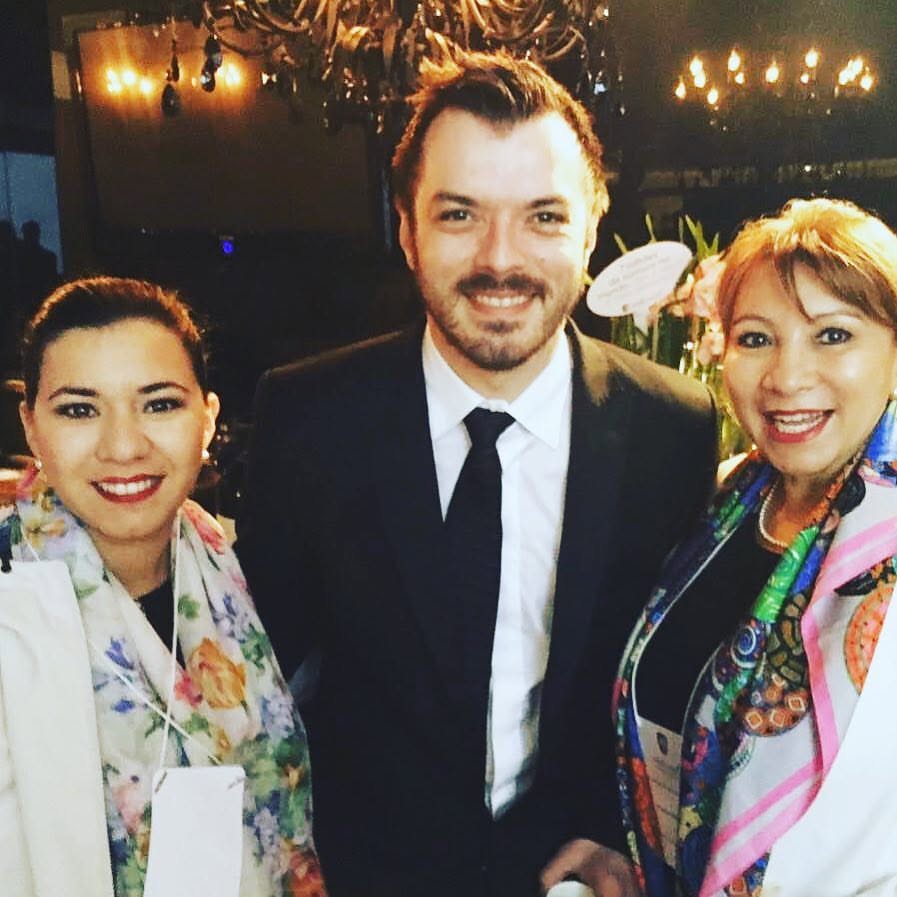 Dr. Moreira with Dr. Florin Cofar
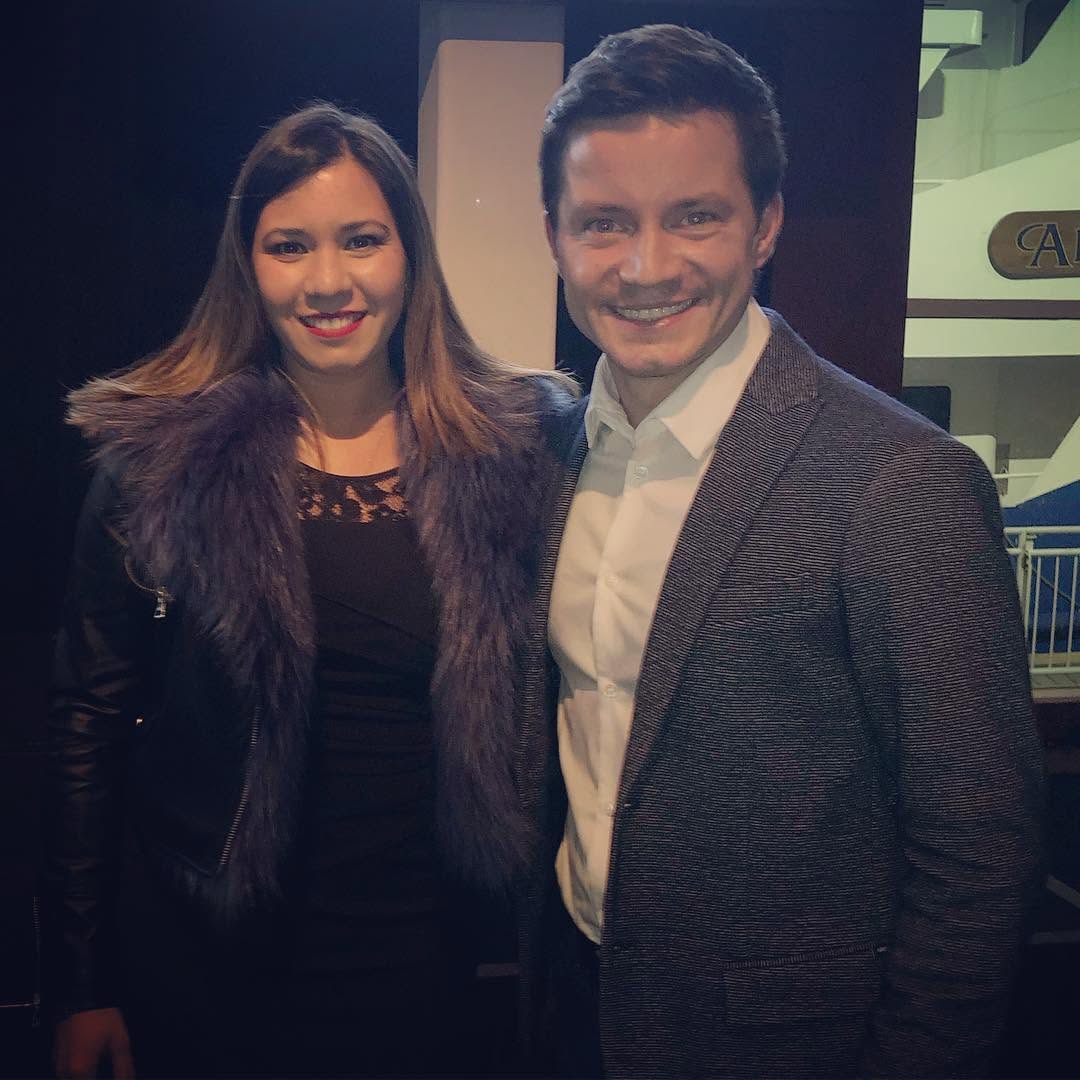 Dr. Moreira with Dr. Nazariy Mykhaylyuk
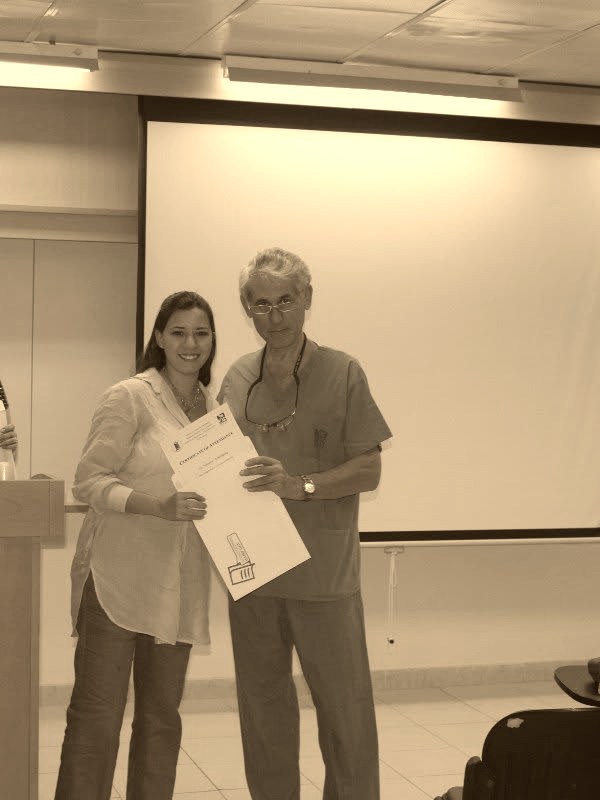 Guided implant surgery · Israel
Meeting clinicians and learning about different markets helped me understand that progress in dentistry does not depend only on new equipment or materials. It also depends on our ability to learn, adapt knowledge, and share it.
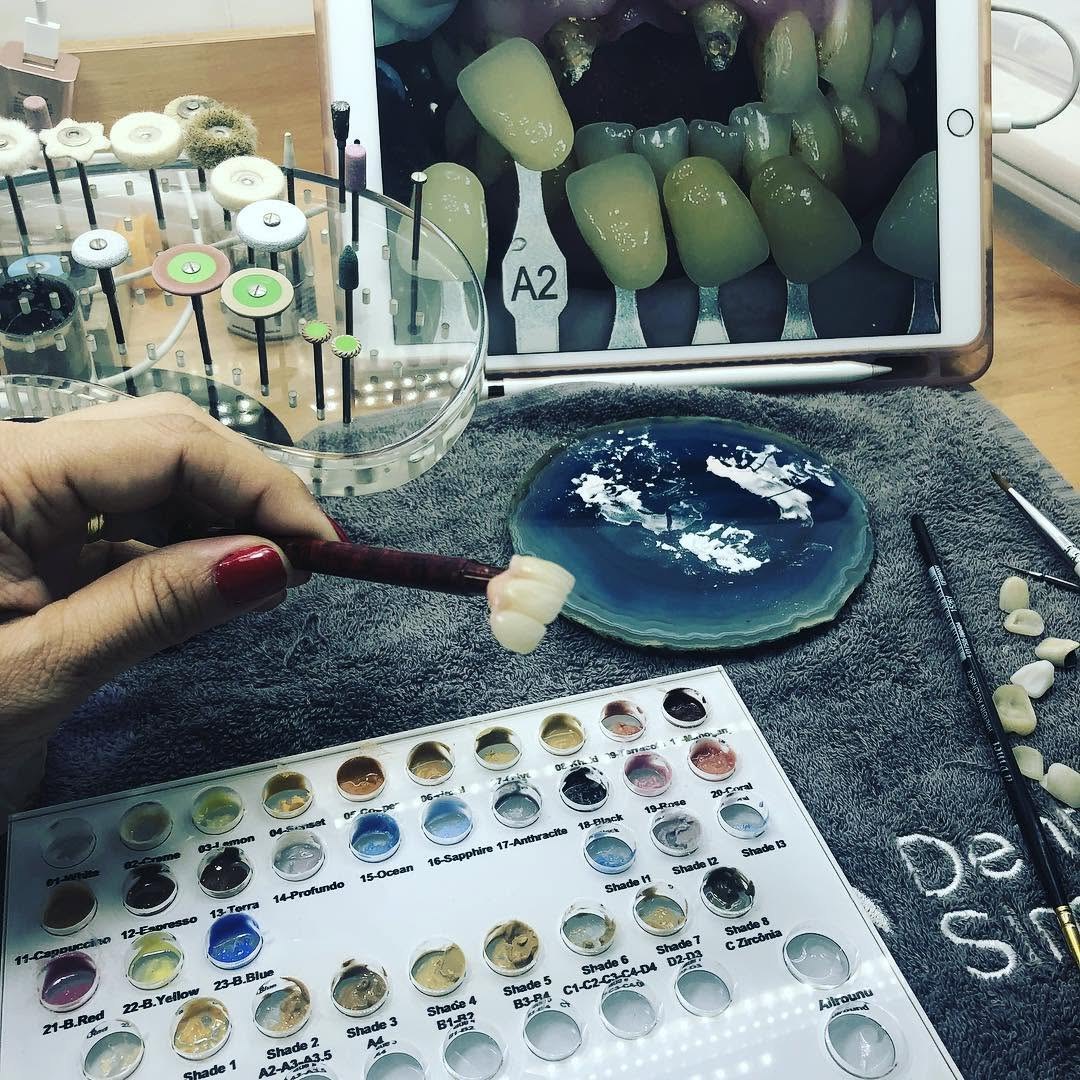 Characterization and color in ceramics
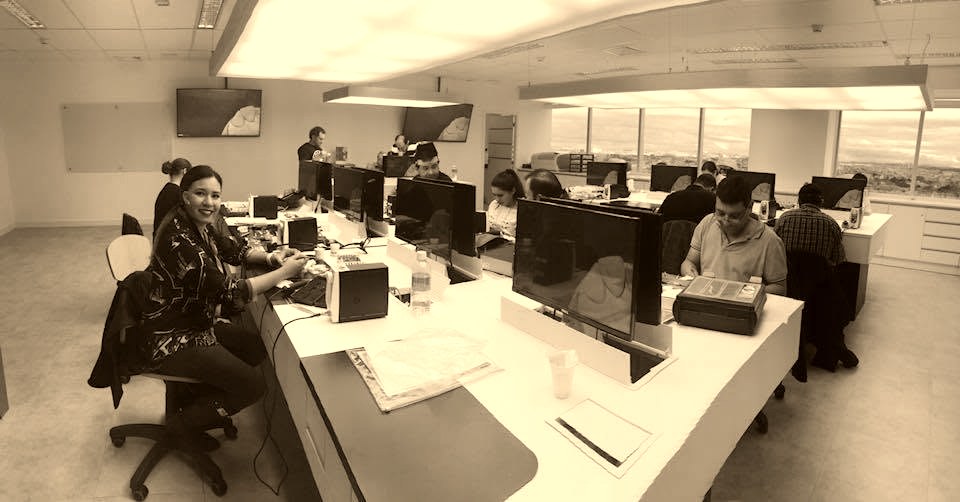 The Ivoclar laboratory
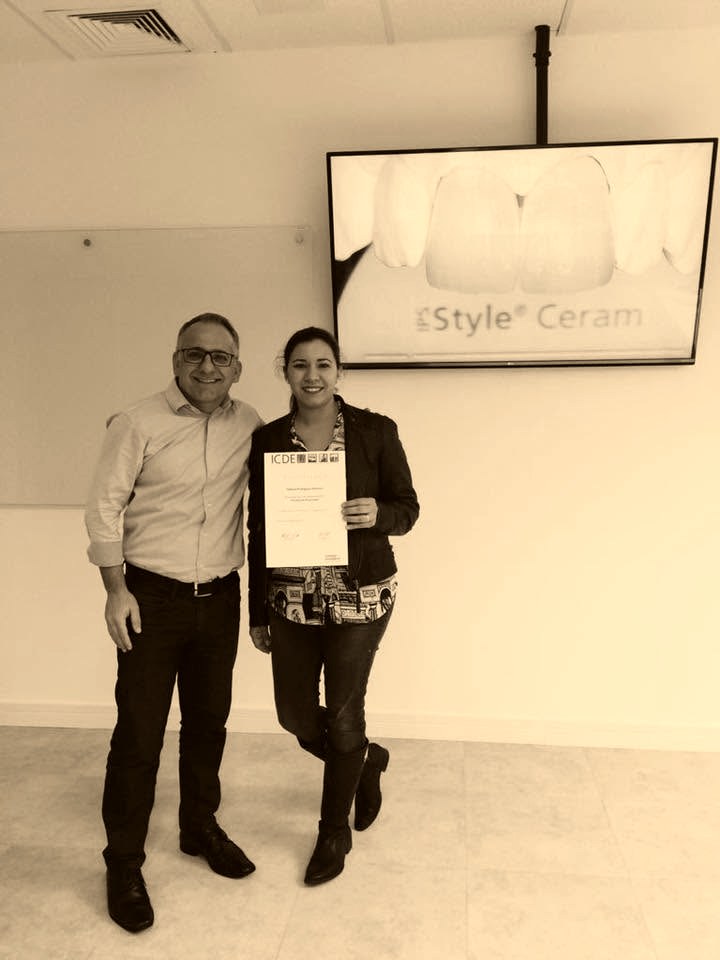 Course certificate
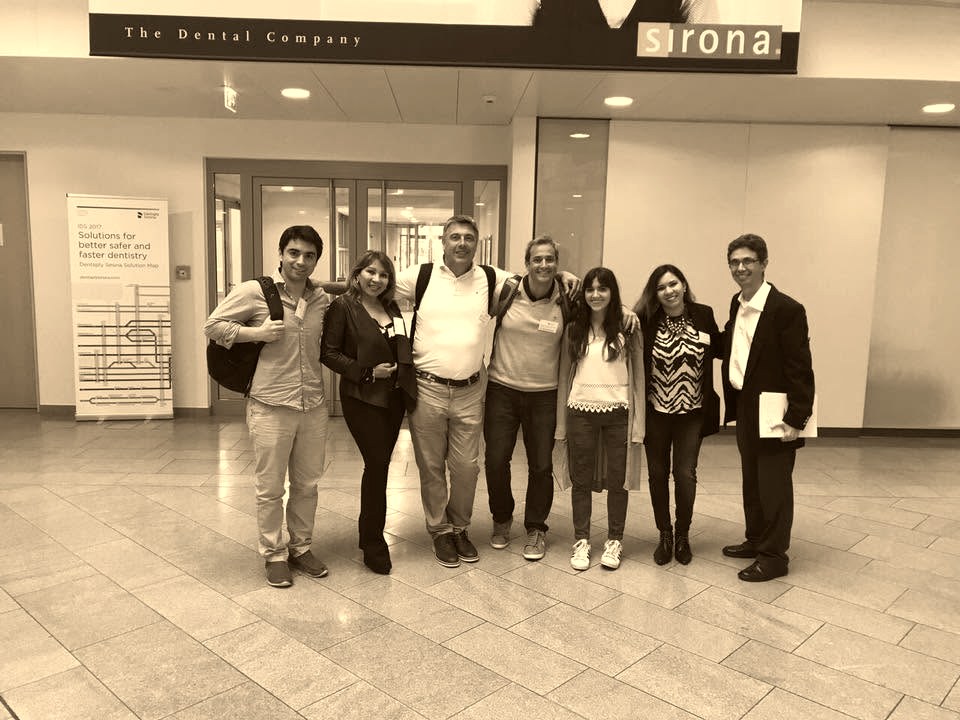
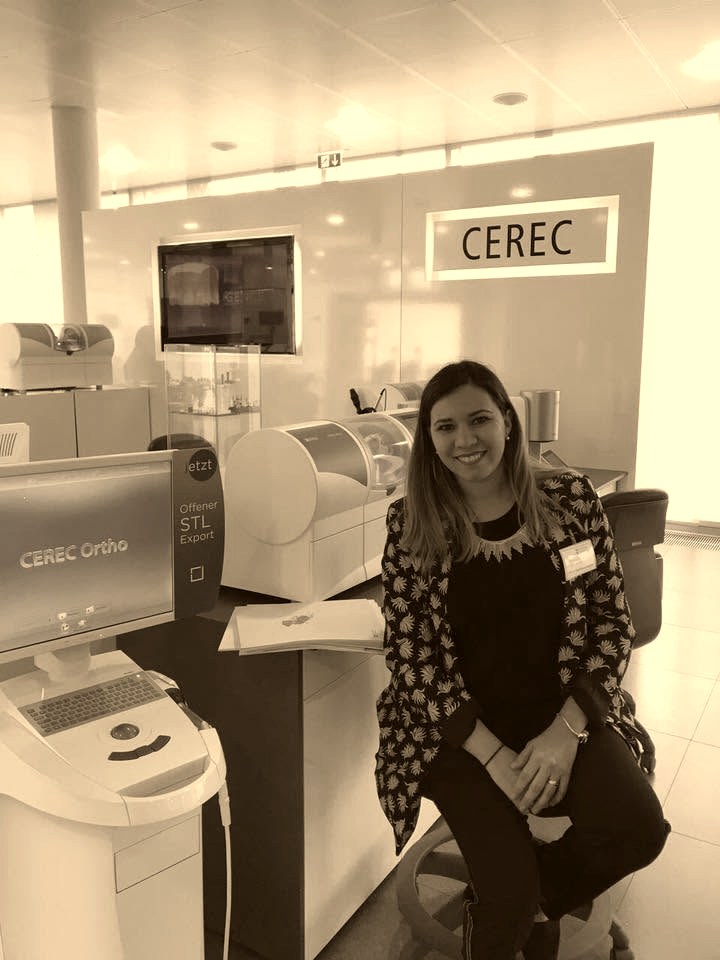
In July 2017, I trained at Sirona in Germany, and the following year, in August 2018, I took part in a training program at the Ivoclar center in São Paulo.
There, I explored more deeply a part of dentistry that had always drawn me in: the work of the dental technician.
I learned to characterize ceramics by hand and to understand color not as a number on a shade guide, but as a combination of light, translucency, and depth.
My background in design found a natural place there. As in any composition, the color of a restoration is not imposed: it is observed in the neighboring teeth and built in layers.
It was another way of learning to observe before making changes.
Without realizing it at the time, I was developing a skill that would become central to my career: turning specialized knowledge into something other professionals could use.
Chapter II · Kansas · Asunción, 2018
From learning technology to building with it
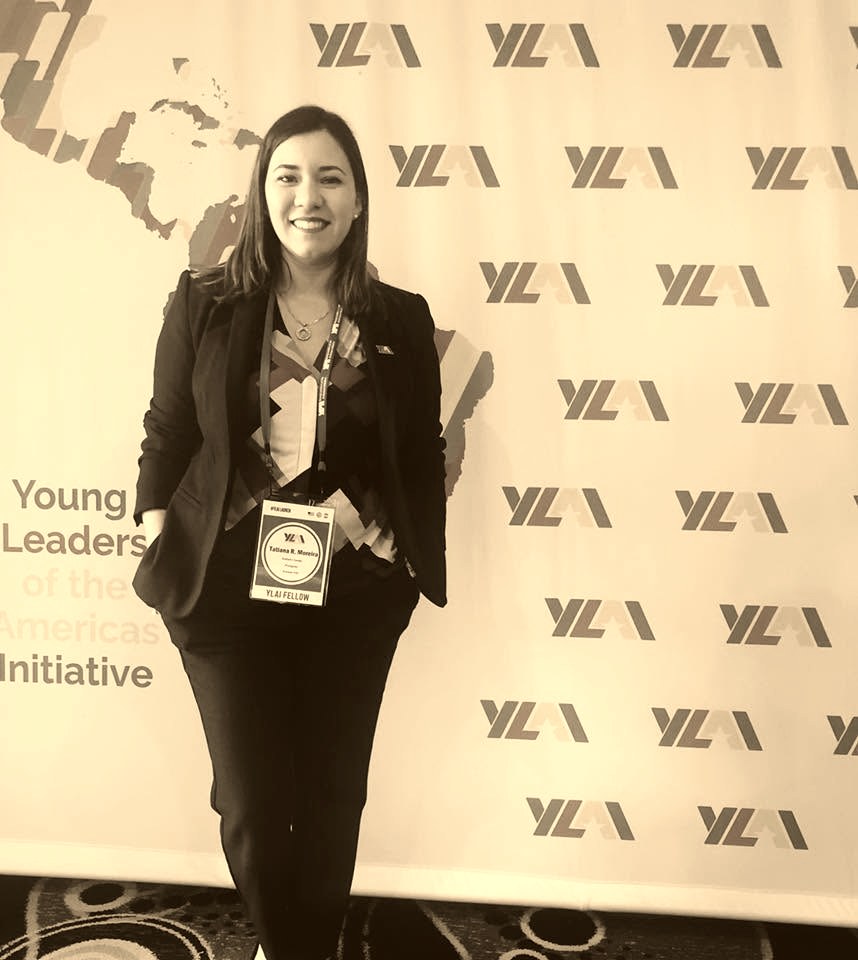
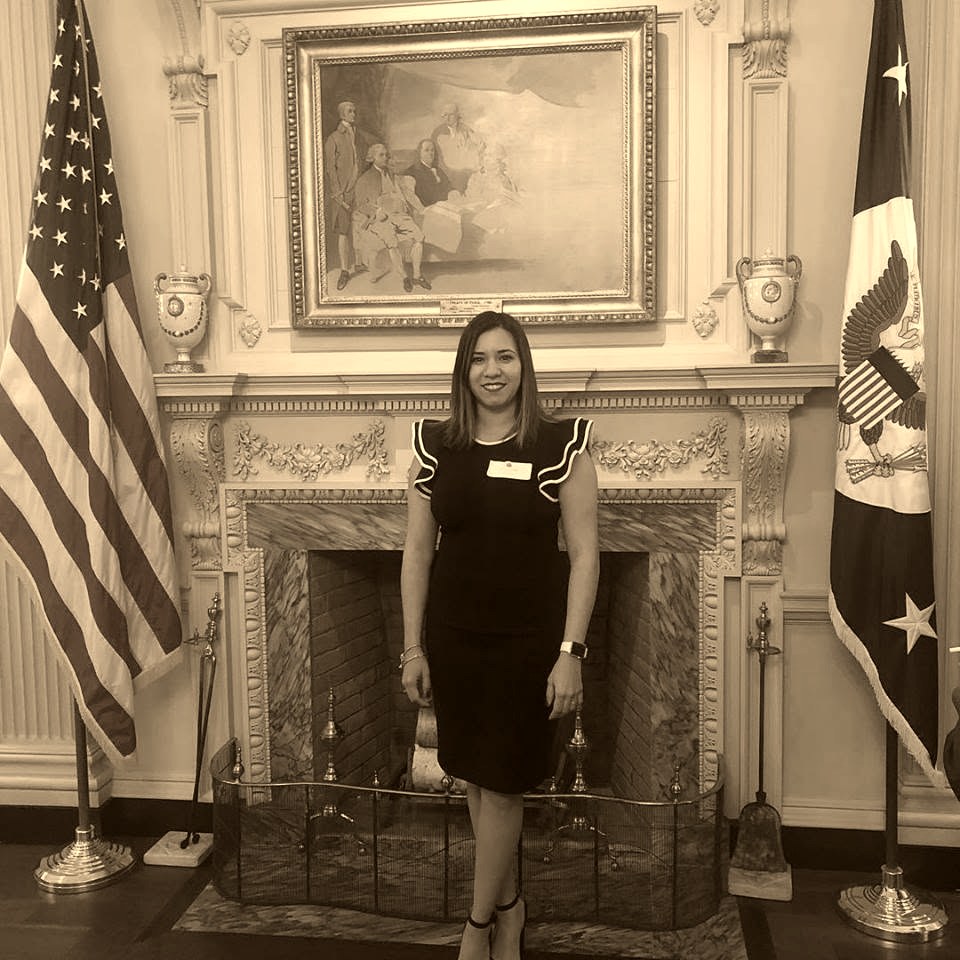
In 2018, I received a scholarship from the U.S. Department of State and traveled to Kansas.
During that experience, I explored the possibilities of 3D printing in dentistry.
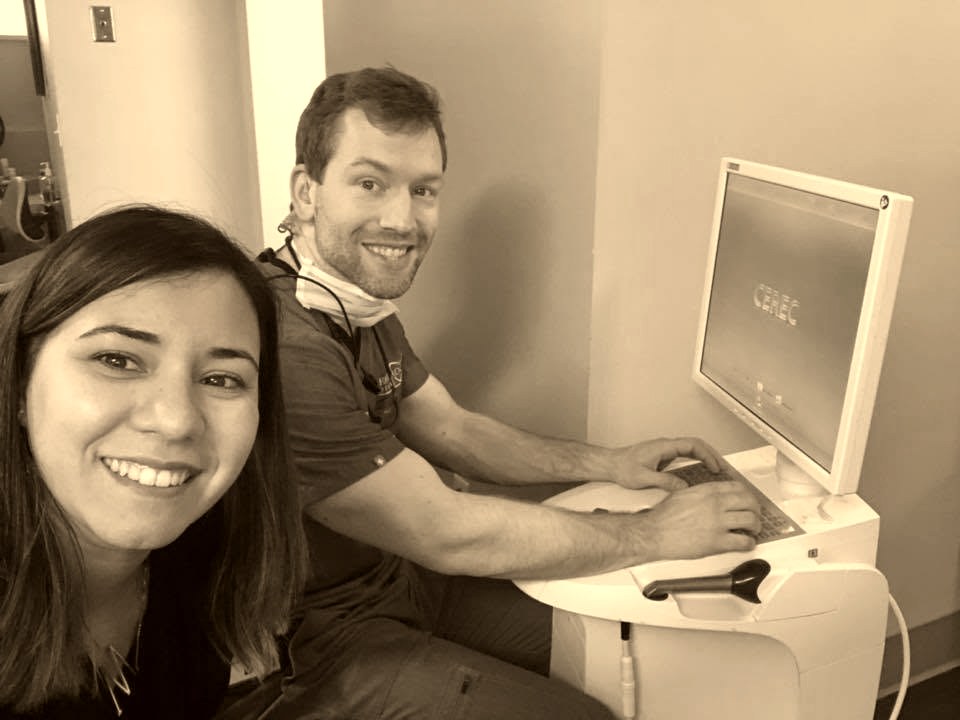
Digital manufacturing interested me because it offered new ways to control processes, design treatments, and develop solutions within the dental practice itself.
When I returned to Paraguay, I decided to put that knowledge into practice.
That was how Gem Aligners was born in 2018.
Through this project, we developed an in-house aligner manufacturing system, bringing digital treatment planning and production directly into our clinic. Based on our experience, we were the first to introduce this model of in-house aligner production in Paraguay.
Gem Aligners remains active today, and eight years after its creation, we continue treating patients with this system.
For me, this experience represented much more than adopting a new technology.
I learned that understanding how to use a tool was only the beginning. The real challenge was integrating it into clinical protocols, training teams, and turning it into a sustainable service.
The difference between discovering an innovation and building something meaningful around it began to shape many of my decisions.
Chapter III · Paseo La Galería, 2019
Designing the patient experience
In 2019, we opened a second Moreira Odontología Digital location at Paseo La Galería in Asunción.
From the beginning, I wanted it to be different.
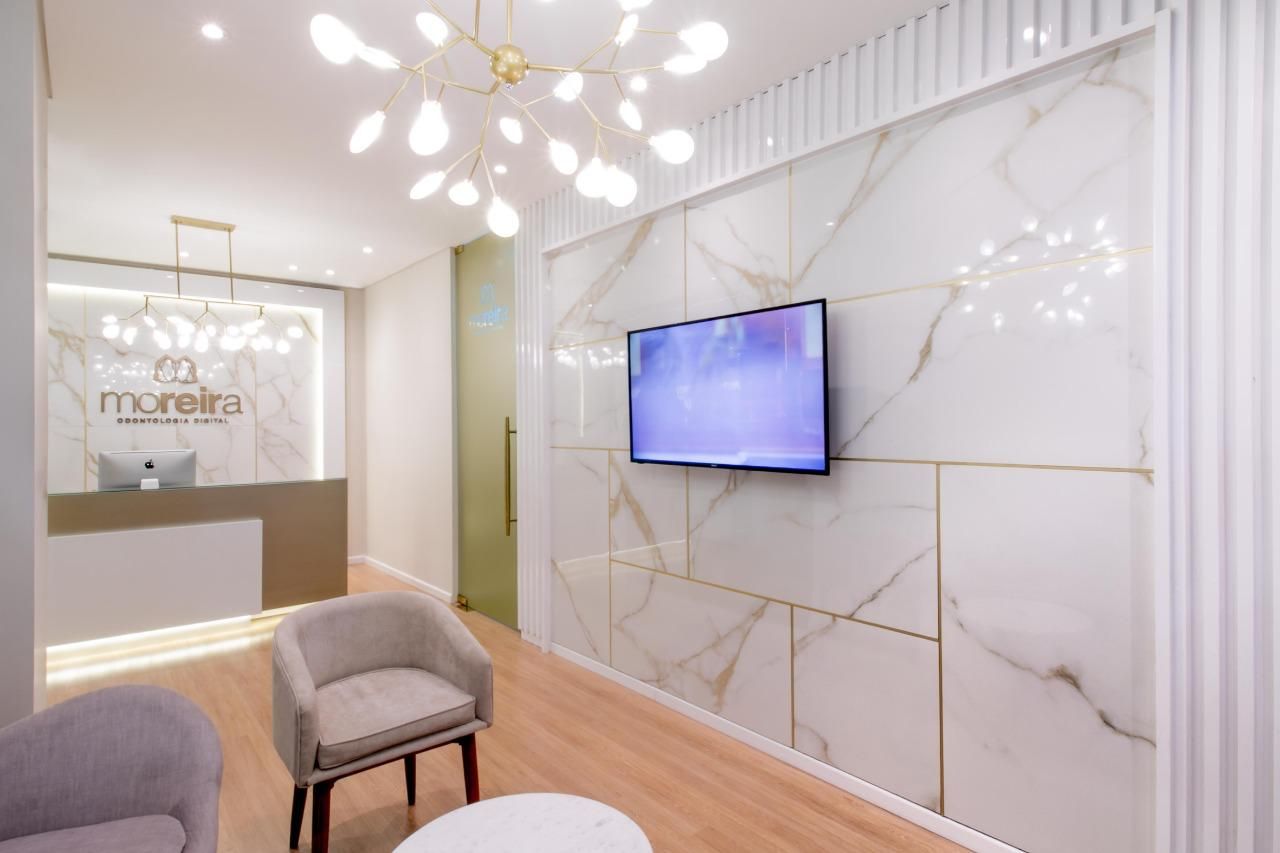
My goal was not simply to move a traditional dental office into a shopping center. I wanted to create an experience where comfort, technology, organization, and patient care were considered from the very first interaction.
Every detail had a purpose.
Ergonomic design, carefully planned spaces, ceiling-mounted screens, a dedicated patient experience room, and a photography studio with suspended lighting were all part of that vision.
We also incorporated intraoral scanners, 3D printers, and digital tools that helped patients better understand and visualize their treatment options.
High standards of hygiene and clinical organization were priorities from the earliest design stages.
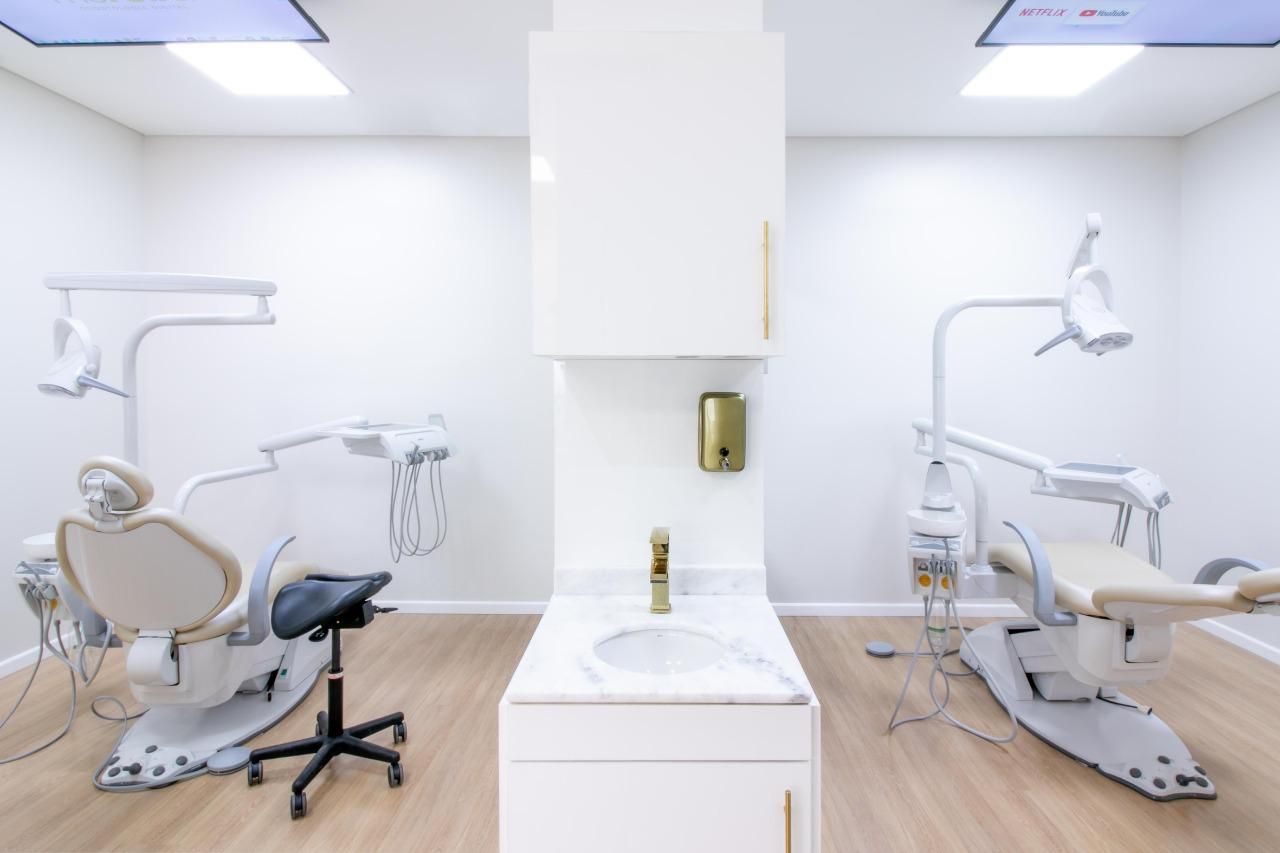
We began welcoming international patients who trusted us with their smiles, and many patients told us it was the first time they had experienced dental care presented in this way.
Those reactions mattered to me because they confirmed that the patient experience could become an important part of clinical differentiation.
I understood that excellence was not limited to the procedure itself.
It was also reflected in how we welcomed someone, explained their options, organized their care, and made them feel throughout the process.
Years later, when I arrived in New York and experienced high-end dental practices, I encountered an even more developed expression of some of those principles.
Chapter IV · New York, 2024
Choosing to begin again
In 2024, I made one of the most demanding decisions of my professional life.
I wanted to train with Dr. Michael Apa, whose work in cosmetic dentistry I admired. When the opportunity to apply for his program associated with NYU became available, I decided to pursue it.
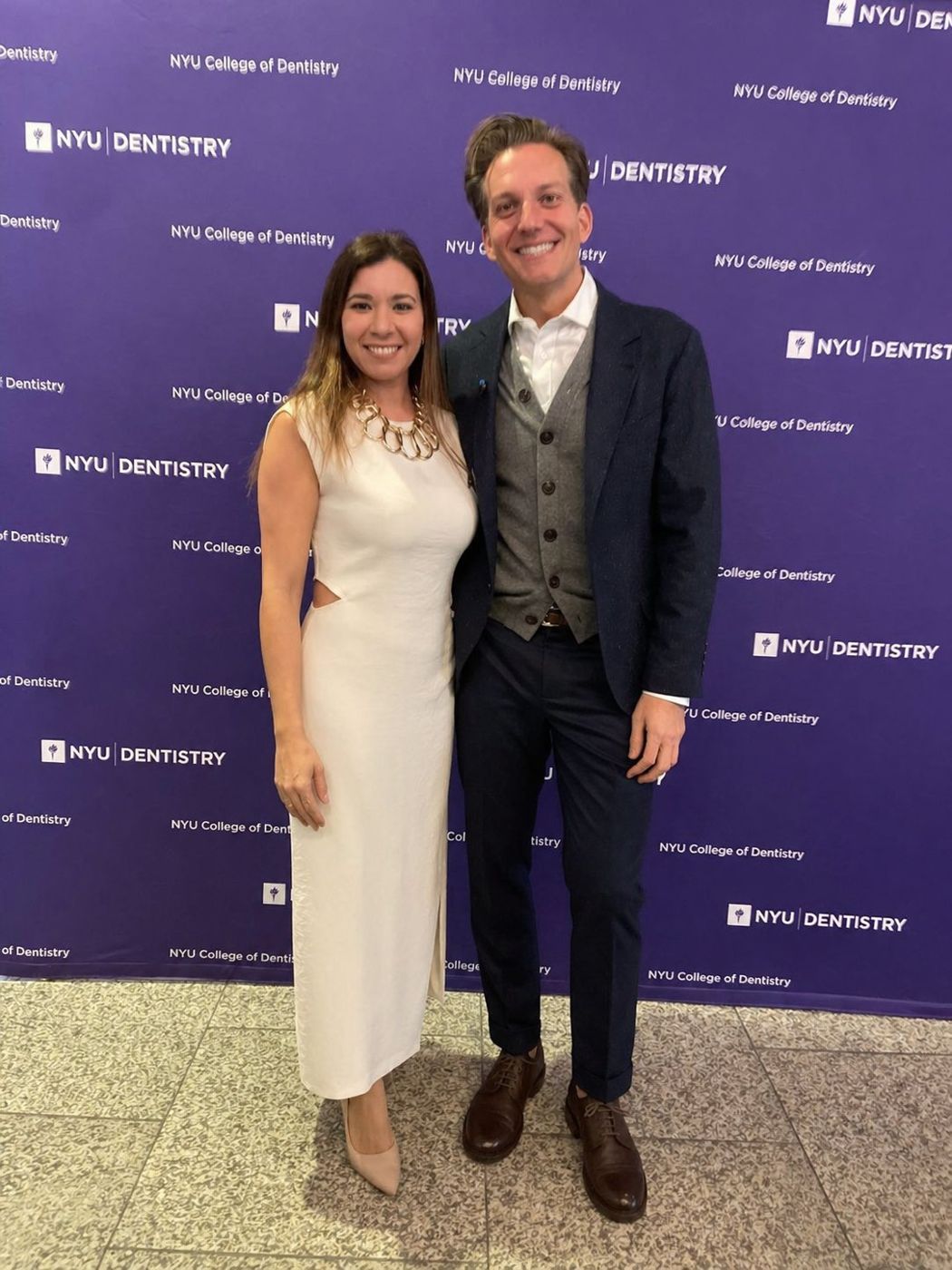
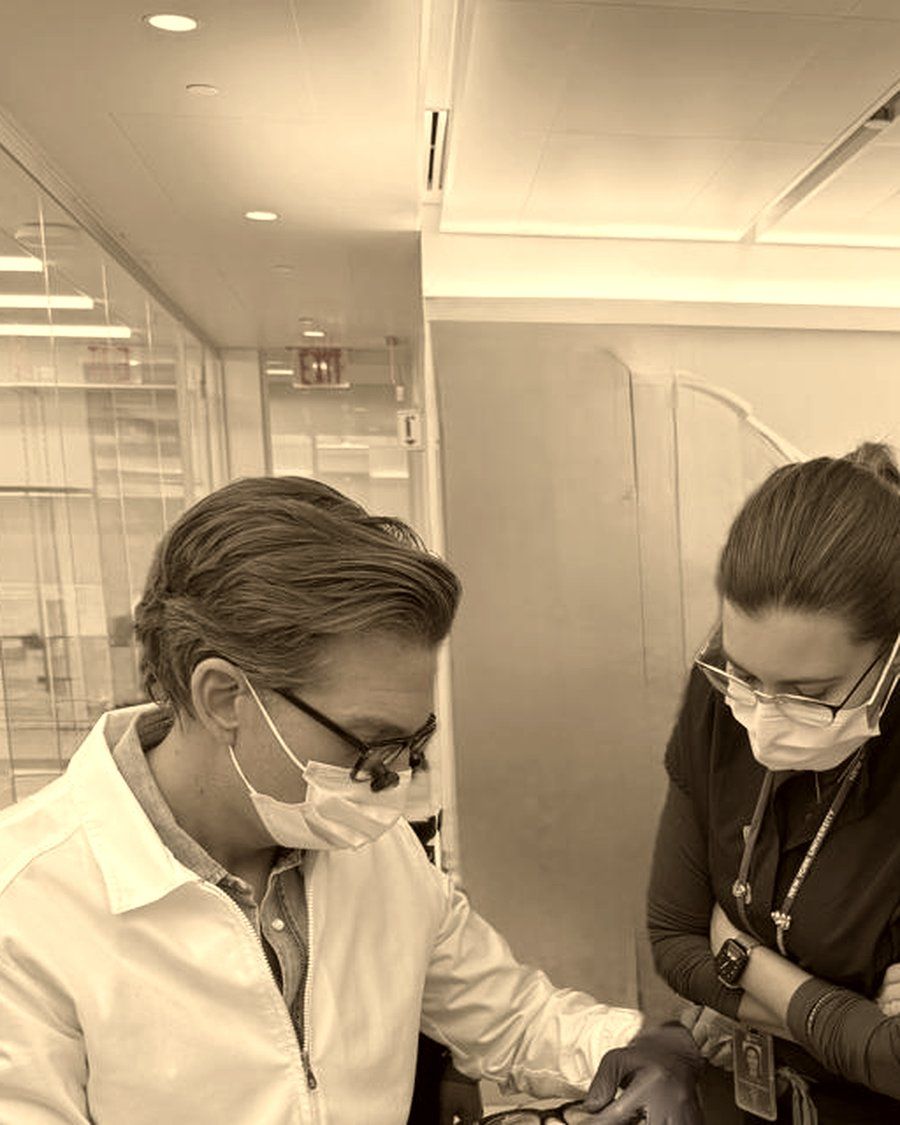
That decision meant much more than attending a course.
I had built a life in Asunción, along with a professional career, businesses, and a family. Moving to New York meant adapting to a new city, a different culture, and an entirely different pace of life.
Still, I chose to go.
I arrived with years of clinical experience, but also with the awareness that I was entering an environment where I would once again have to challenge myself as a student.
The days were intense. Classes, clinical training, and late-night studying became part of my routine.
I also had to learn how to communicate with patients from different cultural backgrounds, many of whom were highly informed and had strong expectations about their treatments.
At first, adapting to that dynamic was difficult.
I had to strengthen the way I communicated recommendations, explained protocols, established timelines, and maintained professional judgment while remaining attentive to each patient's expectations.
That experience taught me that trust is not built through knowledge alone.
It is also built by explaining decisions, setting responsible boundaries, and delivering a consistent experience from the first consultation through follow-up care.
Chapter V · New York
A new dimension of excellence
I remember my first experience inside a high-end dental practice in New York.
There was a dedicated concierge responsible for coordinating documentation and guiding patients through different stages of their experience.
But what impressed me most was not the service itself.
It was the depth of the clinical evaluation conducted before promising any aesthetic transformation.
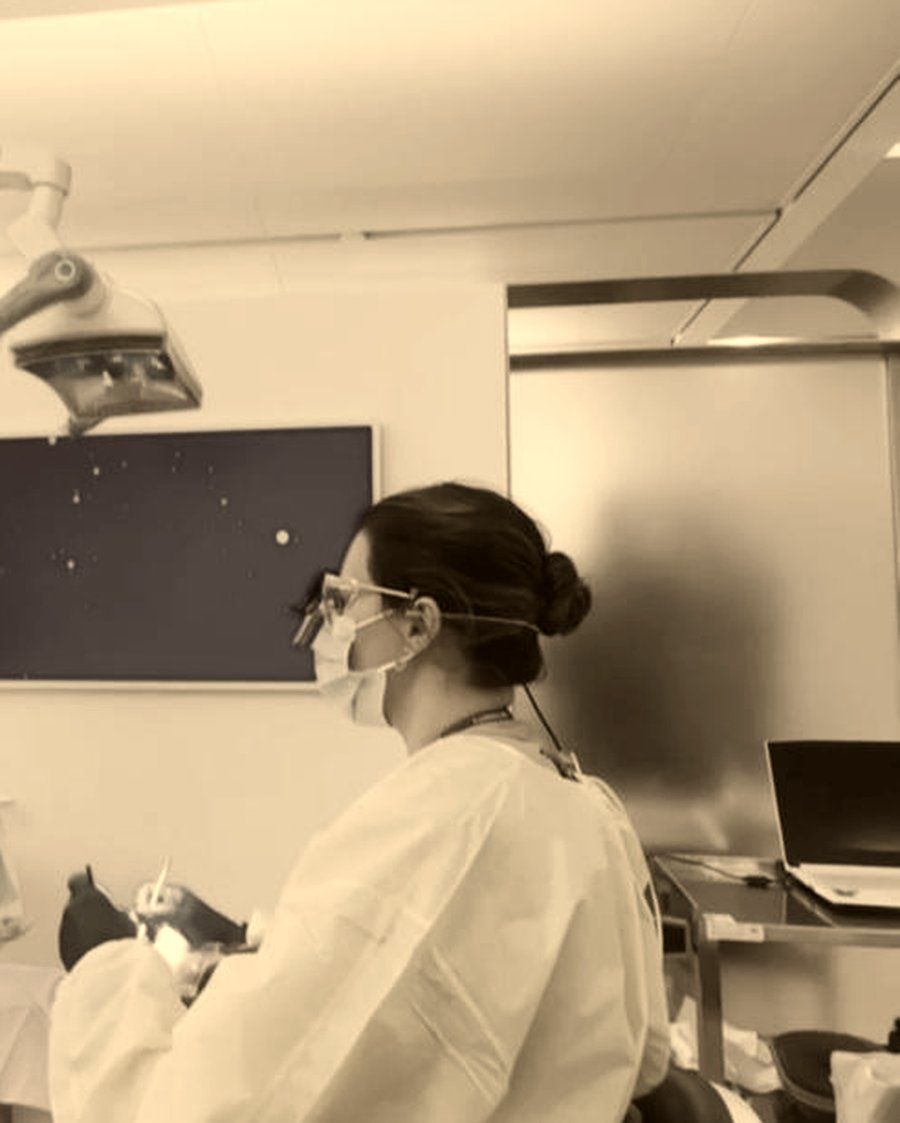
Care began with information, assessment, and planning. There was a deliberate effort to understand the patient before deciding what should be done.
I also noticed that some patients, despite having access to rapid cosmetic treatments, were particularly interested in the health and longevity of their results.
That experience expanded my definition of excellence.
I came to understand that luxury in dentistry should not be reduced to sophisticated interiors. It can also be expressed through diagnostic depth, foresight, discretion, communication, and respect for each patient's needs.
Hospitality was not separate from dentistry.
It could be an expression of care.
Working in practices that treated high-profile individuals also reinforced my understanding of the importance of personalization and trust.
It was not about designing smiles for famous people.
It was about learning to care for every individual with the same level of clinical responsibility, regardless of who they were.
Chapter VI · United States, 2026
The challenge of practicing in another country
During this period, I also took on another challenge: completing the professional credentialing process required to practice dentistry in the United States.
After years of clinical experience, I had to revisit the foundations of my profession, this time in another language and within a different examination system.
It was academically, financially, and personally demanding.
There were months of intensive studying, nights with little sleep, and moments when I doubted whether I could complete everything within the time available.
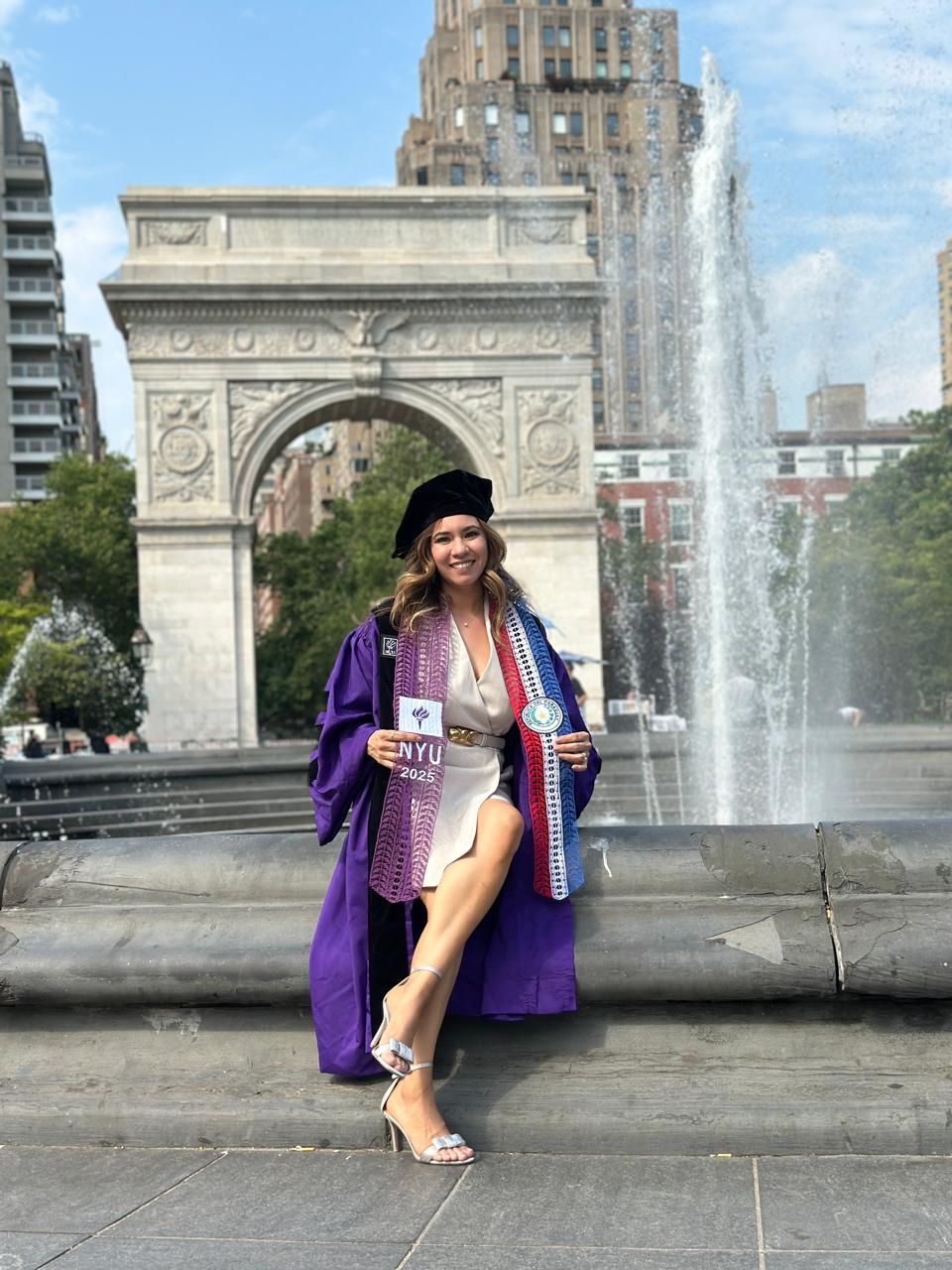
The process also strengthened my technical English and expanded my ability to learn and work alongside professionals from different countries.
In 2026, I completed the credentialing process.
For me, that achievement represents more than another professional qualification.
It reminded me that experience does not eliminate the need to keep learning. Sometimes, moving forward requires accepting the discomfort of becoming a student again in a profession we have practiced for years.
I had not stopped being the dentist who trained in Paraguay.
I had expanded the perspectives from which I could practice.
Chapter VII · A case
Knowing what not to change
There is one patient case that represents my philosophy particularly well.
I treated a young woman who held an important professional position and whose public visibility was expected to increase.
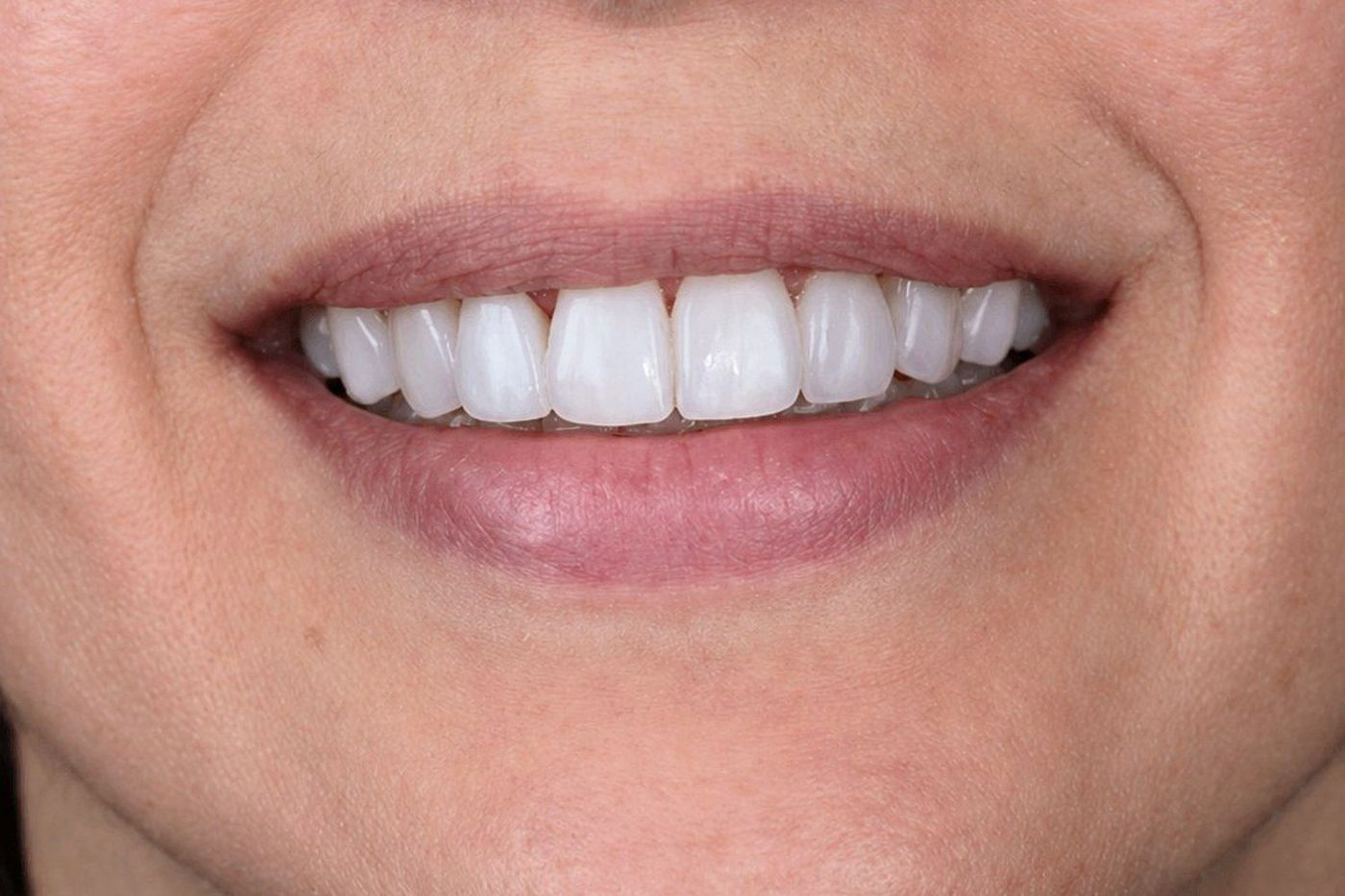
She had previously undergone orthodontic treatment and composite resin restorations. She wanted to improve the appearance of her smile, but her age and the preservation of her natural tooth structure were essential considerations for me.
I did not want an aesthetic transformation to require removing healthy tooth structure when an appropriate alternative was available.
I chose to perform no-prep veneers.
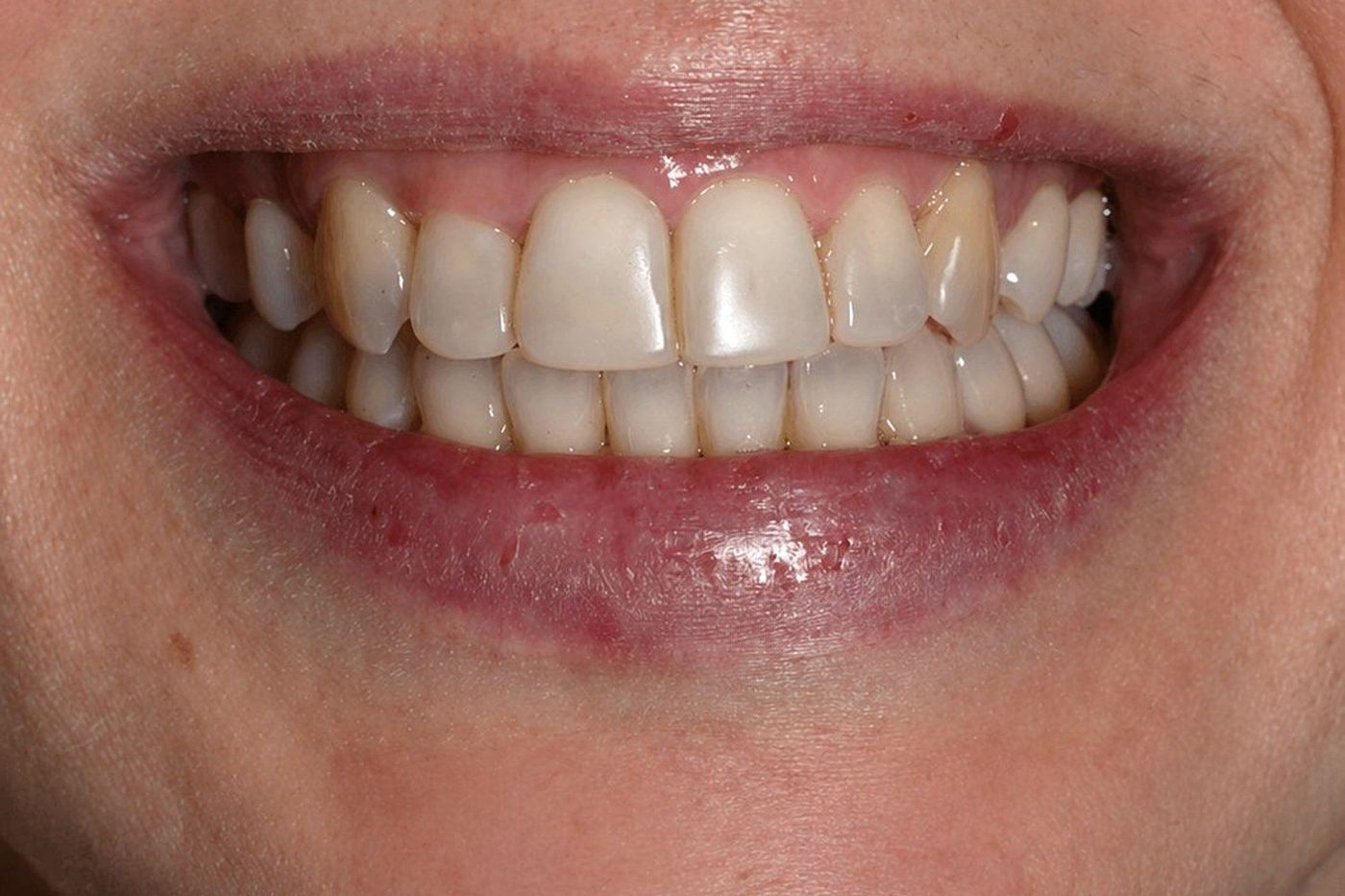 Before
 After
It was the first time someone in my group had carried out this type of treatment.
The patient was pleased with the result, and for me, there was something especially meaningful about the experience: we had improved her smile while preserving her natural tooth structure.
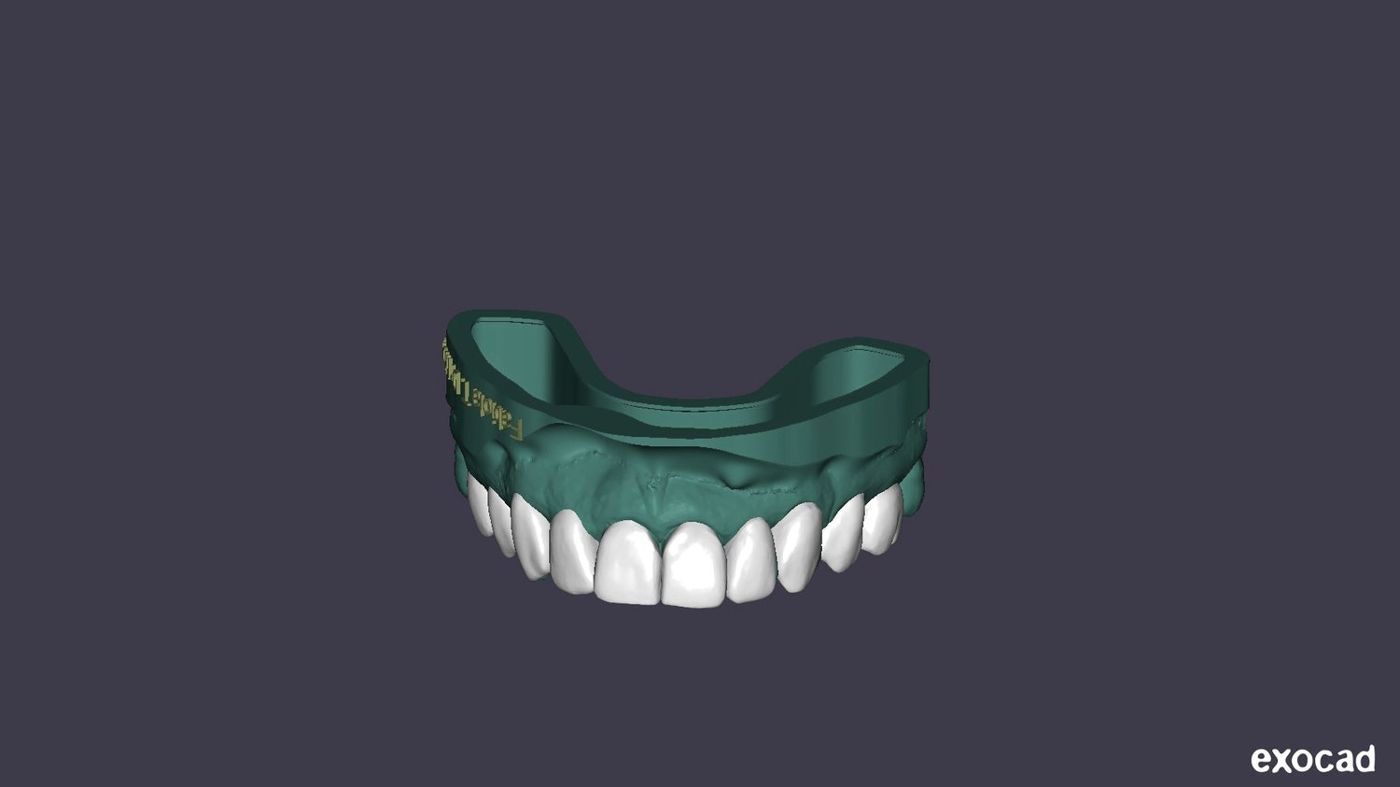
That does not mean every patient is a candidate for this approach, or that conservative treatment is free of risks.
It means that, in this particular case, diagnosis and planning allowed us to choose an option aligned with the patient's needs and my clinical philosophy.
The experience reinforced something I had been learning for years.
Technical skill allows us to perform a procedure.
Clinical judgment allows us to decide whether we should perform it, how to approach it, and what consequences we need to consider.
Chapter VIII · Gem Dental Design
Turning experience into a tool for others
Over 17 years of clinical practice, I developed questions, protocols, and ways of evaluating cases that gradually transformed my work.
Some came from formal education. Others emerged from technological advances. Many developed through clinical situations that required me to consider factors that were not immediately obvious.
Eventually, I began asking myself how I could organize part of that knowledge so it could also benefit other dentists.
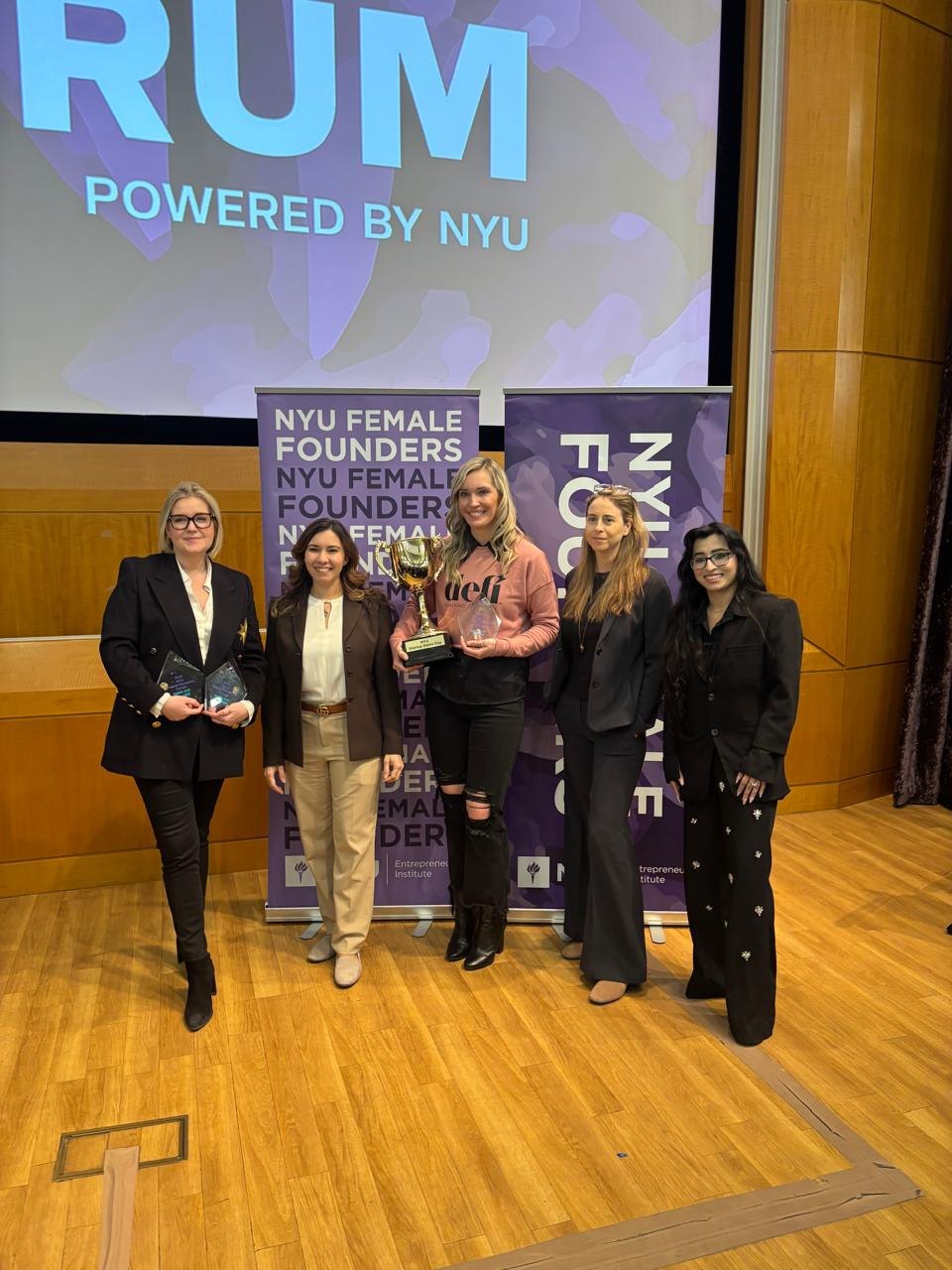
That question led to Gem Dental Design.
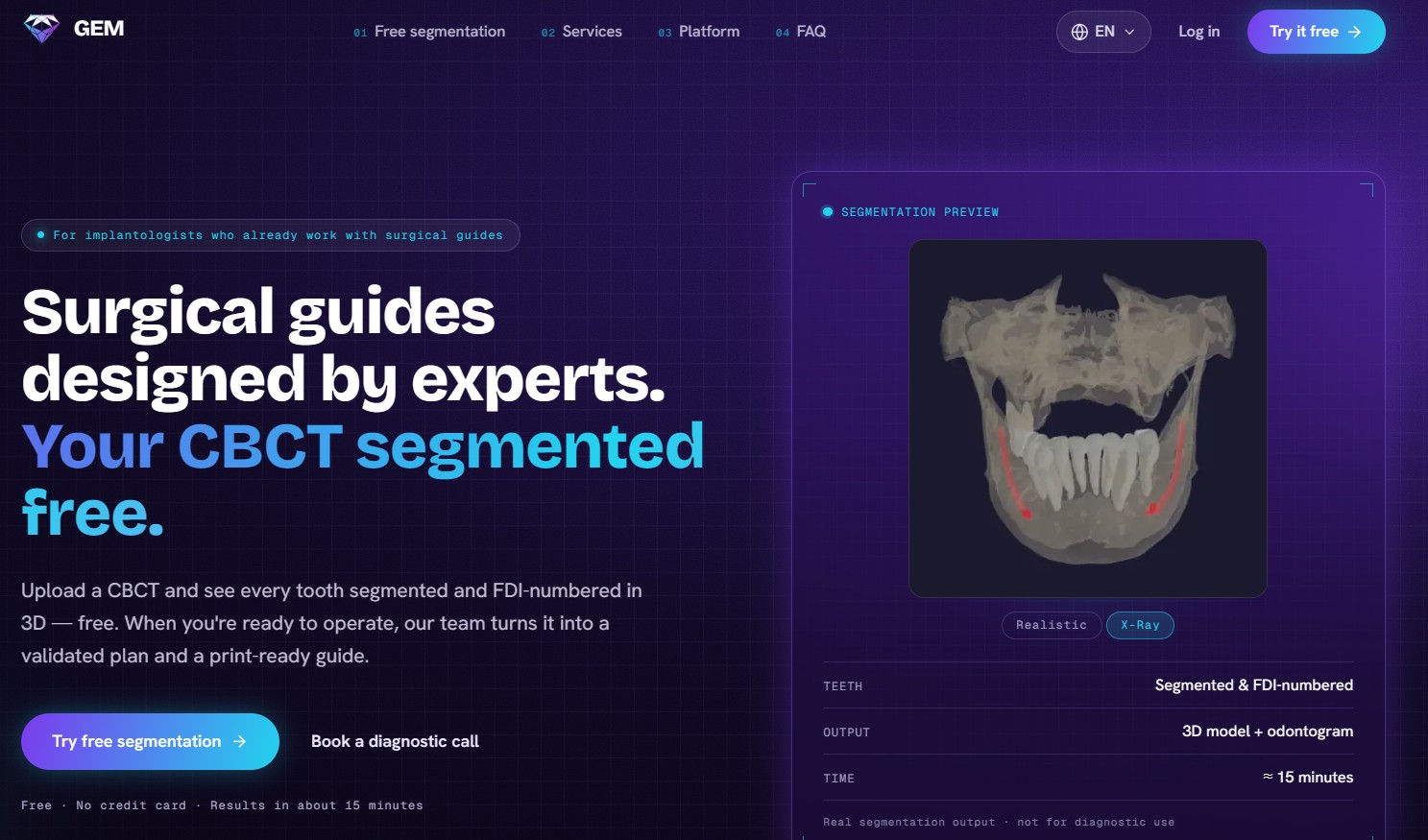
It is an independent project I created to help dental professionals design, visualize, organize, and plan their cases using digital tools and artificial intelligence.
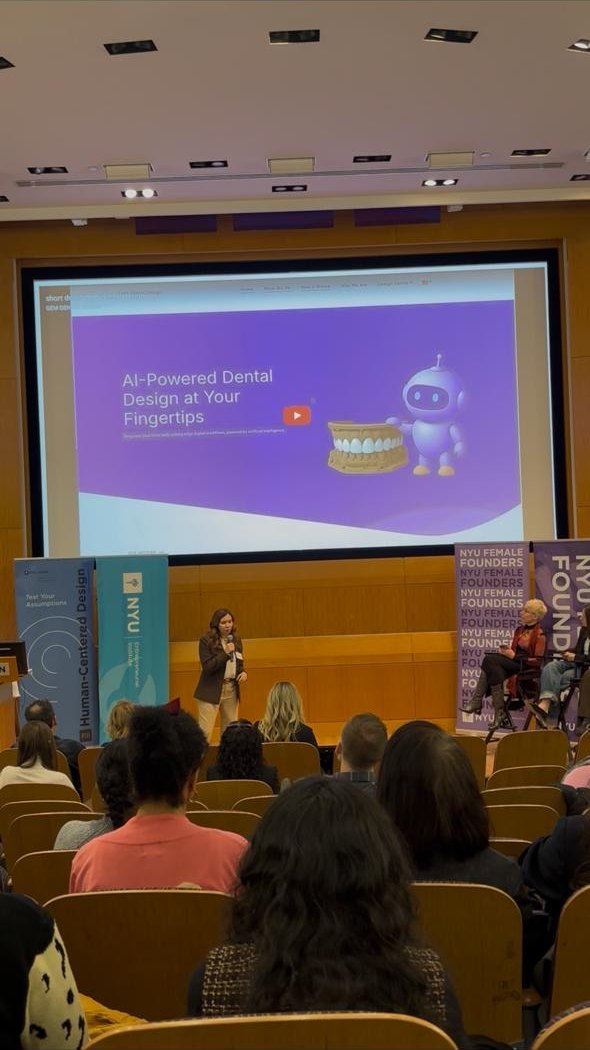
Its development is based on a conviction I have built throughout my career: the better we understand a case before intervening, the more information we have to make thoughtful clinical decisions.
The platform incorporates questionnaires designed to capture details I consider important in clinical evaluation, along with planning, visualization, and case-record features that can be accessed from a phone.
My intention is not for technology to think instead of the dentist.
It is to help dentists think more deeply.
To consider information that might otherwise be overlooked. To compare possibilities. To organize decisions and access planning tools that support everyday clinical work.
Artificial intelligence creates new possibilities, but it also requires clear boundaries, validation, and professional oversight.
A digital tool does not replace diagnosis, clinical judgment, or the dentist's responsibility to the patient.
For me, Gem Dental Design represents that pursuit: using technology to expand our analytical capabilities, not to surrender them.
Chapter IX · Asunción · New York
What I truly want to preserve
When I look back at my journey from Paraguay to Brazil, through the countries where I studied and worked, and eventually to New York, I recognize different chapters of the same pursuit.
First, I wanted to understand my profession more deeply.
Then I learned to integrate clinical knowledge, design, and technology.
Later, I began building businesses and patient experiences that allowed me to apply those ideas in different ways.
Today, I am exploring how to turn part of that knowledge into tools that can support the decisions of other professionals.
I do not see these chapters as separate identities.
I am still a dentist.
My clinical work, my ethics, and my relationship with patients remain at the center of my professional identity.
What has changed is the depth with which I understand my responsibility and the possibilities I have to share what I have learned.
I do not want every person to have the same smile. I want each patient to find an approach that respects their expression, their needs, and the characteristics that make them unique.
I also do not want digital dentistry to become merely a way to produce attractive images or faster treatments.
I want it to help us ask better questions.
Because a smile does not exist separately from the person who wears it. It has a history, a function, an identity, and a future that deserve consideration.
For years, I worked to perfect my ability to transform smiles.
Today, I understand that an essential part of that ability is recognizing what deserves to remain.
And if I can help other dentists develop that same level of care when planning their treatments, then my experience will have found a new way to serve.
True clinical sophistication is not about changing more. It is about knowing what to change, what to preserve, and why.